Method / Brief to scent system
Fragrance development method
from brief to sample.
A focused fragrance development path that keeps creative direction connected to the product, the market and the decision your team needs to make.

The working principle
Every round should answer a question.
We begin with the product context: format, target market, audience, references and the role the scent needs to play.
Then we shape a sampling route where direction, performance and application fit can be discussed without losing the original point of view.
Four movements
From brief to resolution.
The method is structured enough to make decisions visible and open enough to leave room for the right creative discovery.
Frame
Product format, market, audience, mood, references, timing and the performance question.
Compose
Translate the direction into an initial accord with a clear creative reason behind the choices.
Evaluate
Compare on blotter and in the intended context, noting opening, texture, diffusion and persistence.
Refine
Use the decision from each round to resolve the scent system and next documentation conversation.
Before the first sample
Give the idea enough context.
A short, specific brief helps the development team spend the first round on the question that matters most.
- ProductWhat is the format, base and use moment?
- AudienceWho will use it and what should they remember?
- MarketWhere will the product launch and what requirements are already known?
- DirectionWhich mood, material, reference and “not this” cues should guide the accord?
- DecisionWhat does the next round need to prove or change?
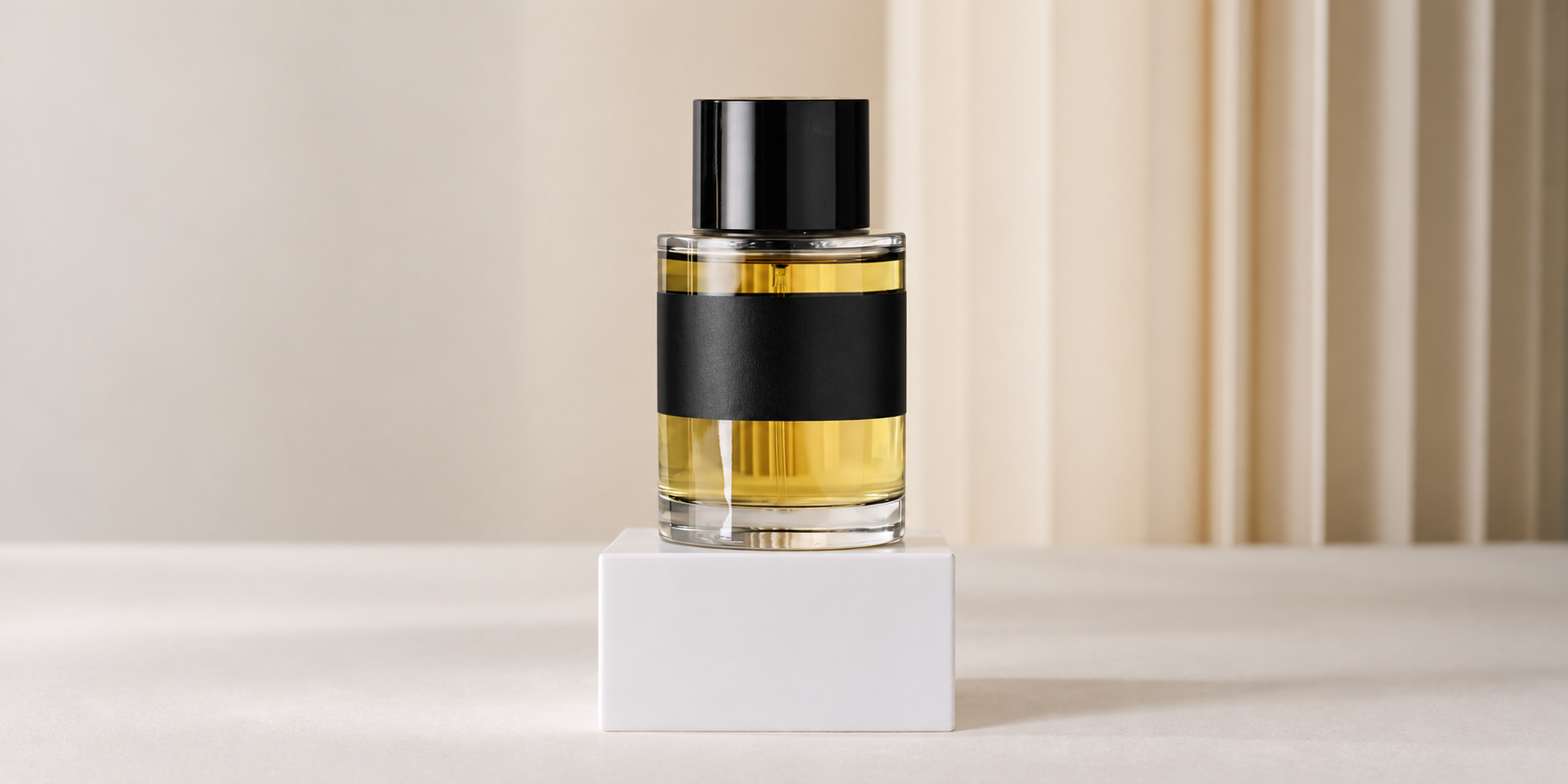
A practical conversation
Creative ambition, with the product in view.
Documentation and performance questions are handled according to the actual formula, application and destination market. We keep the next step specific rather than making a universal promise.
Choose an application ↗Clear before creation.
What should a fragrance brief include?
A useful brief can include the product format, target market, audience, scent direction, reference mood, desired performance, timing and any documentation requirements already known.
How are samples evaluated?
Each round should answer a practical question. Samples can be compared on blotter and then reviewed in the intended product context, with feedback recorded for the next refinement.
Are technical documents guaranteed for every project?
Documentation is scoped according to the actual formula, product format and destination market. Requirements are discussed during development rather than assumed as a universal promise.
Ready for a focused first round?
Start with the brief.
Tell us what you are making and what you want the scent to do. We will help shape the next question.
Start a project ↗